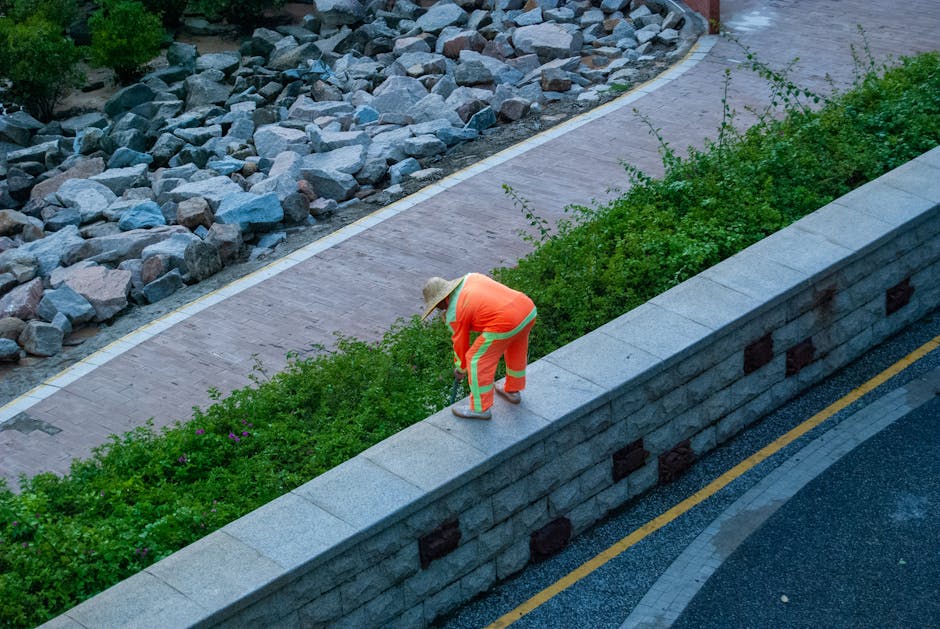
Avenue Road gardeners for steep front garden jobs

Steep front gardens can look elegant from the street, but they are often awkward to maintain and even harder to work on safely. If you are looking for Avenue Road gardeners for steep front garden jobs, you are probably dealing with one or more familiar headaches: slippery turf, poor drainage, uneven access, tired planting, and the constant feeling that one wrong step could turn a tidy-up into a mess. Truth be told, these gardens ask for more care than a flat patch ever will.
This guide explains what skilled gardeners do on steep front gardens, how the work is planned, what results make sense, and how to judge whether a job needs routine maintenance or a bigger landscaping fix. You will also find a practical checklist, comparison table, and the sort of small but important details that often get missed the first time around.
Why Avenue Road gardeners for steep front garden jobs Matters
Steep front gardens are one of those things that seem simple from the pavement and then, once you are inside them, become a proper puzzle. A slope changes everything: water runs differently, soil moves more easily, mowing becomes awkward, and plant borders can slide or erode if they are not handled properly. That is why Avenue Road gardeners for steep front garden jobs need to be chosen for more than just basic tidying skills.
The front garden is also the first thing people notice. On a road like Avenue Road, where kerb appeal matters, the garden sets the tone before anyone reaches the door. A clean, stable, well-managed slope gives an immediate impression of care. A neglected one can look untidy very quickly, even if the rest of the property is in good order.
There is another reason this type of job matters: safety. Steep inclines can be genuinely tricky, especially in wet weather or when the ground is soft. A gardener working on a slope needs good judgement, steady footing, and the right equipment. You want the job done neatly, yes, but you also want it done without turning the garden into a churned-up track after the first visit.
Expert summary: Steep front gardens usually need a blend of careful maintenance, erosion awareness, and light-touch improvements. The best results come from planning the work around the slope, not fighting it.
If a garden has been left for a while, the issues often stack up. Edges disappear. Weeds settle into the bank. Shrubs lean toward the light. Grass gets patchy near the top and muddy near the bottom. That is normal, and it is fixable, but it needs a calmer approach than a standard mow-and-go visit.
How Avenue Road gardeners for steep front garden jobs Works
In practical terms, a steep front garden job usually starts with a close look at the site rather than a fast quote based only on square footage. The slope angle, surface condition, access point, drainage, and existing planting all affect how the work is tackled. A front bank that is only mildly inclined may be maintained with routine mowing and edging, while a sharper slope may need trimming, clearance, selective replanting, or structural improvements.
Most good garden visits follow a simple pattern. First comes the assessment. Then comes the safe access plan. After that, the garden is worked in sections so that the team can keep balance, protect the soil, and avoid creating runoff or bare patches. It sounds obvious, but on sloping ground, the order of operations matters a lot. One rushed pass with the wrong mower can leave ruts that take weeks to recover.
If the garden is overgrown, a garden clearance approach may be the right starting point. That can include removing dead growth, cutting back brambles, lifting waste safely, and exposing the actual shape of the bank again. Once that is done, ongoing garden maintenance becomes much easier and much less expensive to keep up with.
On some steep front gardens, mowing is only part of the picture. Hedges, shrubs, small trees, retaining edges, and decorative features all need to work together. If shrubs are blocking access or casting too much shade, hedge trimming can improve both the appearance and the usability of the space. If a tree is overextending into the light, tree lopping and removal may be considered, although that kind of work should always be approached with proper caution and judgement.
And sometimes the answer is not just maintenance. If the front garden is constantly slipping, muddy, or impossible to keep neat, a more considered landscaping solution may be needed. That might mean better planting structure, improved levels, stronger edging, or more durable surfaces on key access points. The aim is not to overbuild the garden. It is to make the slope behave itself a bit better. Not glamorous, but useful.
Key Benefits and Practical Advantages
A well-handled steep front garden does more than look tidy. It solves a few practical problems at once, and that is why experienced gardeners are worth speaking to early on.
- Better safety: A properly planned job reduces the risk of slips, unstable footing, and accidental damage to plants or hard edges.
- Cleaner kerb appeal: A slope is highly visible from the street, so a neat finish has an immediate visual impact.
- Less erosion: Careful cutting, planting, and edging help stop soil from washing downhill after rain.
- Easier maintenance: Once the garden is under control, routine visits become quicker and more affordable.
- Stronger plant health: The right species and spacing can cope better with sun, shade, dry patches, and runoff.
- More useful access: Better pathways or edging make front-door access less awkward, especially if bins, deliveries, or pushchairs are part of daily life.
One thing people often forget is how much mood a front garden affects. You walk up to the house, see a clean slope, a few well-placed plants, maybe a trimmed hedge, and the whole place feels calmer. That sounds soft, maybe, but it is true. Gardens do set a tone.
There is also a property-maintenance benefit. A steep front garden that is regularly managed tends to avoid the build-up of bigger issues like invasive weeds, rotting timber edges, or compacted soil. In other words, little jobs stay little. That is the dream, really.
Who This Is For and When It Makes Sense
This type of service is for homeowners and landlords who have a sloping front garden that has become difficult to keep in shape. It is also useful if you are moving into a property with an existing bank, or if the front garden was designed years ago and no longer suits how you live now.
You might need help if:
- the slope is awkward to mow by hand or with a standard mower
- the front garden becomes slippery after rain
- weeds keep reappearing on the incline
- soil is washing down toward the path or road
- shrubs are overgrown and making the area feel cramped
- you want the front of the house to look presentable without spending every weekend on it
It also makes sense when the garden is too steep for a casual tidy-up but not quite ready for a full redesign. In that middle space, a good gardener can stabilise the site and keep it usable while you decide whether you want to invest in a bigger improvement later.
If you are comparing service levels, a useful starting point is the broader services overview. That helps you see how front-garden work may connect with mowing, clearance, hedge cutting, or fuller landscaping support. Not every slope needs the same answer. Some need a quick reset; others need a proper rethink.
Step-by-Step Guidance
Here is the practical sequence that usually gives the best outcome on a steep front garden. It is simple enough on paper, but each stage matters.
- Assess the slope and access. Check where the steepest point is, how water behaves, and where someone can safely stand or move tools.
- Identify hazards. Loose stones, hidden drops, slippery moss, low branches, and broken edging all need to be noted before work starts.
- Clear the surface. Remove bulky debris, fallen branches, and dead growth so the shape of the bed or bank becomes visible again.
- Cut or reduce growth in sections. Work from stable footing and avoid trying to force one pass across the whole slope.
- Shape edges and borders. Neat lines make a steep garden look more finished, and they also help control future spread.
- Improve planting or ground cover. On exposed slopes, dense planting or low ground cover can help hold soil in place better than bare earth.
- Check drainage and runoff. If water keeps moving soil downhill, this needs attention before it becomes a routine problem.
- Finish with a maintenance plan. A follow-up schedule is often the difference between a tidy slope and a slope that immediately reverts.
That last step is the one people skip. Then six weeks later the same weeds are back, the same trim is needed, and everyone is slightly irritated. A small recurring plan usually saves the day. Or at least saves the Saturday.
If the site includes lawn sections, edging, or patchy grass on the incline, targeted lawn mowing may be part of the solution, but it should be carried out with a technique that suits the gradient. Steeper turf is not a place for careless rushing. Gentle, controlled passes are the trick.
Expert Tips for Better Results
After enough garden jobs on difficult ground, a few patterns become obvious. These are the details that separate a decent outcome from a frustrating one.
- Choose plants that can cope. On exposed banks, hardy, low-maintenance planting usually performs better than delicate display planting.
- Keep the top and bottom edges tidy. A slope looks far more controlled when the boundary lines are sharp.
- Do not overcut the grass. On a bank, cutting too low can weaken turf and make it look patchy fast.
- Use the slope's shape to your advantage. Sometimes planting in bands or clusters looks better than trying to flatten the visual effect.
- Leave room for safe footing. A beautiful slope that nobody can access cleanly is still a headache.
- Think about seasonal pressure. Winter rain and summer dryness affect slopes differently, so the maintenance plan should flex a bit.
Small detail, big difference: if a front bank gets morning shade and afternoon sun, the lower area may stay damp while the top dries out. That mix can create weeds in one zone and tired grass in another. The fix is usually not dramatic; it is thoughtful. Better plant selection, smarter cutting, and fewer "we'll just see how it goes" decisions.
If you are considering a broader redesign, services such as landscape gardening can help align the visual look with the practical demands of the slope. A steep garden often needs both. Otherwise it is either pretty-but-fussy or tough-but-uninviting. Somewhere in the middle tends to work best.
Common Mistakes to Avoid
Steep front garden jobs go wrong in fairly predictable ways. The good news is that most of them are avoidable.
- Using the wrong mower or tool: A standard approach on a steep incline can leave scalped patches, uneven cuts, or a damaged lawn.
- Ignoring drainage: If water flow is not addressed, soil will keep moving and the garden will keep deteriorating.
- Cutting back too hard: Stripping a bank bare can make it look neat for a week and then ugly for months.
- Leaving access unresolved: If the gardener cannot work safely, the job becomes slower and riskier.
- Trying to "just tidy it" when it really needs clearance: Overgrown slopes often need a reset first, not a cosmetic trim.
- Overloading the slope with fragile features: Decorative pieces are lovely until they slide, tip, or disappear into a muddy patch after rain.
There is a temptation to think that a steep front garden only needs extra effort. Usually, it needs better judgement first. That's the real thing. Extra effort without planning just gets you tired faster.
Another mistake is treating every slope like a landscaping project. Some need a redesign, yes, but others just need good maintenance and the right cutting rhythm. Overcomplicating a modest job can cost more than it should, and honestly, nobody wants that.
Tools, Resources and Recommendations
The right tools depend on the surface and the degree of steepness, but a few items and methods come up again and again in this type of work.
| Approach | Best for | Pros | Limitations |
|---|---|---|---|
| Hand tools and light pruning | Small, detailed jobs and delicate borders | Precise, low disturbance, good for awkward corners | Slower on larger slopes |
| Routine mowing and edging | Established sloping lawns | Fast, familiar, keeps the front neat | Not ideal for very steep or wet ground |
| Clearance first, maintenance later | Overgrown front banks | Resets the site, reveals structure | Needs more initial effort |
| Landscaping upgrades | Recurring erosion or poor layout | Longer-term solution, more stable finish | Higher commitment and planning needed |
For many homes, the best result comes from combining methods rather than relying on one. For example, a thick, overgrown slope might need clearance, then selective trimming, then a maintenance plan. Simple enough, but not simplistic.
If the job involves waste from cutbacks, the team may also need to think about removal and disposal in a tidy, responsible way. A planned recycling and sustainability approach helps keep green waste managed sensibly, rather than piling it up in the corner of the drive. That is the kind of thing clients rarely see, but they definitely notice if it is done badly.
And if you want to understand how the work is likely to be priced or prepared, the pricing and quotes page is a sensible place to check how estimates are usually handled. Steep gardens are almost never one-size-fits-all jobs, so a proper look at the site is more valuable than a quick guess.
Law, Compliance, Standards, or Best Practice
For this kind of garden work, the main concern is safe working practice rather than complex regulation. On a steep front garden, anyone carrying out the job should be thinking about footing, manual handling, tool safety, and whether the site presents avoidable risks to workers, residents, or passers-by. In the UK, good practice usually means taking a sensible, risk-aware approach rather than rushing in with minimal planning.
That may include checking whether the surface is slippery, whether equipment can be used safely on the incline, and whether cuttings or branches need to be removed in a way that avoids obstructing paths. For larger or more awkward jobs, it is normal to rely on proper insurance, cautious site management, and a clear plan for the work.
It also helps to work with a company that is transparent about standards and process. You can look through an insurance and safety statement, plus any health and safety policy information, to understand how seriously those basics are taken. No one gets excited about policies on a sunny day. But on a wet slope in late November, they matter rather a lot.
For customers who like to understand how a company works behind the scenes, it is also fair to review the about us page and make sure the business feels like a good fit. Trust is not built on one tidy before-and-after photo. It comes from the little things: clarity, care, and a calm approach to difficult jobs.
Options, Methods, or Comparison Table
There is no single right approach for a steep front garden. The best method depends on how steep the ground is, how much maintenance you want to do yourself, and whether the garden is basically healthy or already in trouble.
| Option | What it involves | Best used when | Overall fit |
|---|---|---|---|
| Routine maintenance only | Cutting, edging, and light weeding | The slope is stable and mostly under control | Good for ongoing care |
| Clearance then maintenance | Removing overgrowth before setting a routine | The garden has been neglected for a while | Often the most practical first step |
| Selective landscaping | Improving soil retention, edging, planting, or layout | The slope keeps creating the same problems | Best for longer-term improvement |
| Mixed approach | A bit of clearance, a bit of trimming, and targeted improvements | The garden has several issues but does not need a full rebuild | Very often the sweet spot |
If you are not sure which route to take, ask a simple question: am I dealing with appearance, access, or a structural problem? The answer usually points you in the right direction. A neat look is one thing. A garden that keeps washing out after rain is another. Those are different jobs, even if they start in the same place.
Case Study or Real-World Example
Here is a realistic example. A front garden on a steep residential slope had started to look patchy and scruffy, with weeds in the top section, bare soil near the middle, and low shrubs pressing into the footpath. The owners had tried to keep it under control with occasional trimming, but every tidy-up seemed to reveal another problem. The bank was not huge, but it was awkward enough that standard mowing felt clumsy.
The first visit focused on clearance and reshaping. Dead growth was removed, the front edge was cleaned up, and the slope was divided into manageable sections. The lower area was checked for runoff, because it was taking most of the rainwater. After that, the main effort moved to maintenance and simple structure: better edging, a lighter planting scheme, and a cutting routine that did not stress the turf.
The biggest change was not dramatic in the flashy sense. No one walked past and gasped. But the front of the house stopped looking tired. The slope read as intentional rather than neglected. And, importantly, the owners could keep it under control without the whole thing becoming a weekend battle every few weeks.
That is usually the mark of a good steep-front-garden job. It does not need to shout. It just works.
Practical Checklist
Use this checklist before booking or starting work on a steep front garden.
- Walk the site and note the steepest points
- Check whether the ground becomes slippery after rain
- Look for erosion, bare patches, or soil movement
- Decide whether the job is maintenance, clearance, or landscaping-led
- Identify hedges, shrubs, or trees that are affecting light or access
- Make sure paths and entrances stay clear during the work
- Ask how waste will be removed or reused
- Confirm that the approach suits the season and soil condition
- Set a follow-up plan so the garden does not slide back into disorder
Quick takeaway: if a steep front garden feels manageable after one visit but impossible after six weeks, the answer is usually better structure, not more frantic effort.
Conclusion
Steep front gardens ask for a calm, practical approach. The right Avenue Road gardeners for steep front garden jobs will not just cut things down and hope for the best; they will look at access, slope behaviour, drainage, and the long-term shape of the space. That is what turns a difficult bank into a front garden that feels presentable and manageable.
If your slope is overgrown, unsafe, or just more troublesome than it should be, start with a proper assessment and a clear plan. Sometimes a tidy-up is enough. Sometimes a clearance is the right reset. And sometimes the smartest answer is to improve the layout so the garden stops fighting you every time it rains.
Get a free quote today and see how much you can save.
Good front gardens do not need to be fancy. They just need to feel cared for. And on a steep slope, that care really shows.
Frequently Asked Questions
What do Avenue Road gardeners for steep front garden jobs usually handle?
They usually handle a mix of mowing, edging, trimming, clearance, and light landscaping support. On steep ground, the exact job depends on how stable the slope is and how overgrown it has become.
Is a steep front garden harder to maintain than a flat one?
Yes, usually. Water runs differently, footing is less stable, and mowing or pruning can take longer. A steep garden also tends to show wear more quickly if it is neglected for even a short while.
Can a steep front garden just be mown like normal grass?
Sometimes, but not always. Mild slopes may be fine with careful mowing. Steeper or wetter slopes often need a more cautious method, and in some cases the grass area is only part of the wider maintenance picture.
What if the front garden keeps eroding after rain?
That usually means the slope needs better structure, better planting, or a drainage-aware solution. Repeated erosion is a sign that maintenance alone may not be enough.
Do I need clearance before maintenance on a steep garden?
If the garden is heavily overgrown, yes, clearance is often the best first step. It reveals the true shape of the site and makes later maintenance much safer and quicker.
How often should a steep front garden be maintained?
That depends on growth rate, shade, exposure, and how much you want to keep on top of it. Many steep gardens benefit from regular, lighter visits rather than rare heavy cuts.
What are the biggest safety concerns on a steep front garden?
Slips, unstable footing, hidden edges, and awkward manual handling are the main ones. Wet weather makes everything trickier, so sensible timing and proper equipment matter.
Can landscaping help with a slope that is difficult to maintain?
Yes. Landscaping can improve edging, planting, access, and soil stability. It is often the right answer when the same problems keep coming back despite regular upkeep.
How do I know whether I need hedge trimming or tree work as well?
If shrubs or trees are blocking light, access, or the line of the front garden, those jobs may be part of the solution. Trimming or careful removal can make the slope easier to manage and improve the overall look.
What should I ask before booking this kind of job?
Ask how the slope will be assessed, whether the work will be done in stages, what happens to waste, and whether the plan is maintenance-only or includes any improvement work. That gives you a much clearer picture from the start.
Is a quote for a steep garden normally different from a standard garden quote?
Often, yes. Steep gardens can take more time, more care, and more specialist handling, so quotes are usually based on the actual site conditions rather than just the size of the front garden.
What is the best first step if my steep front garden is a bit of a mess?
Start with an honest assessment. Decide whether it needs clearance, maintenance, or a broader rethink. Once the slope is properly understood, the rest becomes much easier to plan. Small beginnings, but that is usually how the best results start.