Finchley Road Garden Maintenance Guide for Terraced Homes
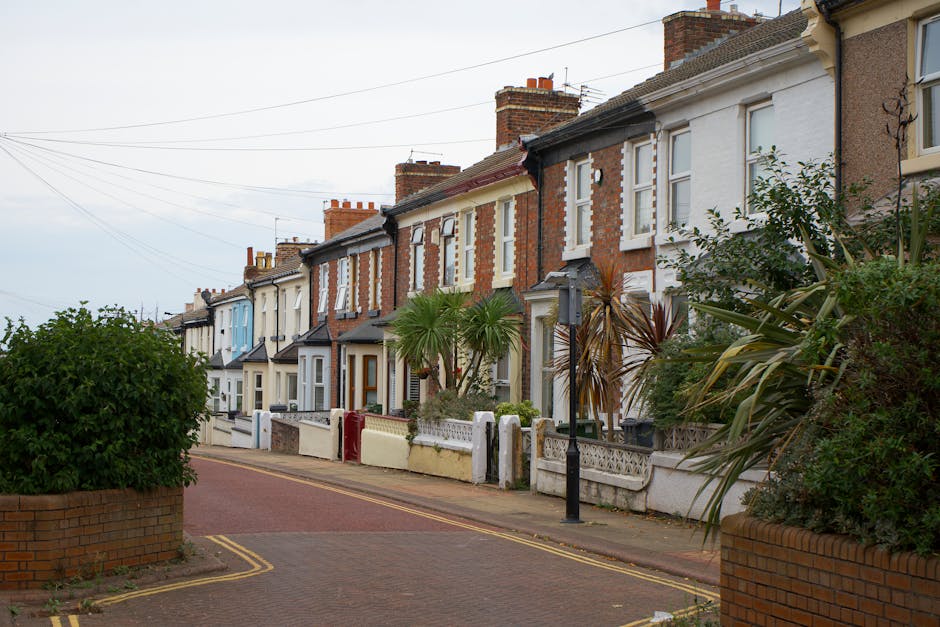
If you live in a terraced home near Finchley Road, you probably know the pattern: a small front patch that gets forgotten, a back garden that can feel oddly narrow, and just enough shared boundaries to make everything a little more fiddly than it should be. A good Finchley Road garden maintenance guide for terraced homes is not really about making your outdoor space look perfect all the time. It is about keeping it neat, healthy, usable, and low-stress in a London setting where space, access, neighbours, and time all matter.
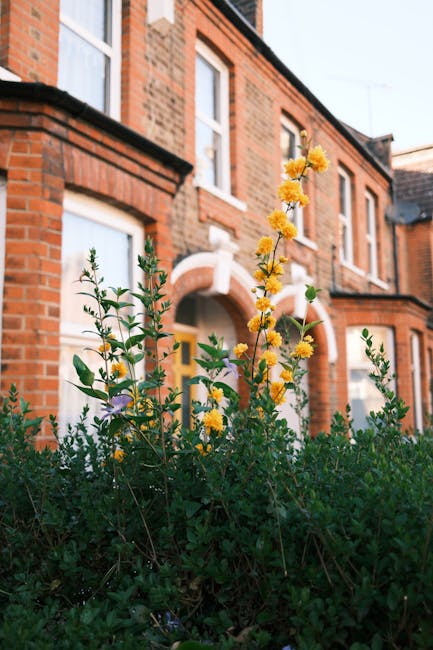
Terraced gardens can look charming when they are kept in shape, but they also pick up weeds quickly, lose light in shaded spots, and can become cramped with overgrown shrubs or tired paving. Truth be told, a modest garden that is consistently looked after often feels better than a bigger one that is always half-finished. This guide walks through the practical side of maintenance: what matters, how to plan it, which tasks come first, and where professional help can make life easier.
Whether you are trying to stop the back garden from going wild, want a better first impression at the front of the house, or simply need a realistic routine that suits a busy London week, you will find a clear path here. And yes, there is room for the little jobs too. They add up.
Table of Contents
- Why Finchley Road garden maintenance for terraced homes matters
- How garden maintenance works in a terraced home
- Key benefits and practical advantages
- Who this is for and when it makes sense
- Step-by-step guidance
- Expert tips for better results
- Common mistakes to avoid
- Tools, resources and recommendations
- Law, compliance, standards and best practice
- Options, methods and comparison table
- Case study or real-world example
- Practical checklist
- Conclusion
- Frequently asked questions
Why Finchley Road garden maintenance guide for terraced homes Matters
Terraced homes have a very particular garden reality. There is usually less width, more hard landscaping, more shade from neighbouring buildings, and less room for mistakes. A hedge that would be harmless in a detached garden can feel oppressive in a terrace. A patch of moss on paving can become a slip risk in a narrow path. A few weeks of missed weeding can turn into a proper reset job.
That is why a local, practical maintenance approach matters. Finchley Road and the surrounding North West London streets tend to combine everyday urban pressures with pockets of surprisingly nice planting potential. You may have a compact back garden, a shared alley, a front garden close to the pavement, or all three. Each area has different needs, and they are not always obvious at first glance.
There is also the simple matter of presentation. Terraced homes often share a row-facing rhythm, so one overgrown garden can affect the whole street feel. Neighbours notice. Buyers notice. Even delivery drivers notice, if we are being honest. A tidy, well-kept garden suggests care and makes the whole property feel more settled.
Expert summary: the best terraced-home garden maintenance is steady, seasonal, and realistic. Small regular jobs beat dramatic one-off clearances almost every time.
If you are comparing professional help, it is worth looking beyond the headline service and checking what is included. A good starting point is the services overview, which helps you see how routine mowing, pruning, clearance, and tidy-ups fit together. For many households, that clarity is what turns a vague job into a manageable plan.
How Finchley Road garden maintenance guide for terraced homes Works
At its core, terraced-home maintenance works on a simple principle: divide the garden into zones and treat each one according to how it behaves. Front gardens usually need regular visual tidying. Back gardens often need more active control of growth, drainage, and borders. Side returns, if you have one, can become the catch-all for leaf litter, shade, and damp.
The process usually starts with an assessment. What is growing well? What is struggling? Where is water sitting after rain? Which plants are useful, and which are just taking up room? Once you answer those questions, the maintenance plan becomes much clearer. In our experience, that first walk-through often reveals one or two big fixes that solve half the mess.
A sensible routine for a terraced home normally includes mowing or trimming, edging, weeding, pruning, leaf clearance, waste removal, and seasonal checks for soil condition and drainage. Sometimes there is also pressure washing, though that depends on the surface and how much care it can safely take. Not everything needs to happen every visit. The trick is rhythm, not overwork.
Many homeowners near Finchley Road prefer a visit every one to two weeks in the growing season, then a lighter schedule in colder months. That is not a hard rule. It depends on sun, shade, planting style, and whether the space is mainly lawn, gravel, paving, or mixed beds. A small lawn in shade can behave very differently from a sunny courtyard that seems to be in a constant battle with weeds.
If you are thinking about a managed service rather than piecing it together yourself, you may also want to look at pricing and quotes. That can help you compare a one-off tidy-up with ongoing maintenance, which is often where the real value shows up.
Key Benefits and Practical Advantages
Good garden maintenance is not just about looks, although looks matter. A well-kept terraced garden gives you more usable space, better safety underfoot, and far less stress when you open the back door on a Saturday morning and do not immediately think, oh no, not that again.
- Better kerb appeal: a tidy front garden and clean edges make the whole property feel cared for.
- More usable space: trimming and clearing make narrow gardens feel bigger.
- Reduced trip hazards: overgrown paths, uneven borders, and slick surfaces are easier to manage.
- Healthier planting: pruning, feeding, and correct seasonal care help plants last longer.
- Less pest and weed pressure: regular attention stops small problems becoming larger ones.
- Lower long-term effort: light upkeep is easier than rescue work. Much easier.
There is another benefit that people sometimes underestimate: peace of mind. A garden that is under control can make the whole house feel calmer. Open a window and you do not hear the rustle of an overgrown shrub scraping the glass. Step outside and you are not met by a sudden jungle. Small thing, big difference.
For landlords and homeowners preparing a property for sale or let, maintenance also helps present the space more clearly to viewers. A good first impression can be lost in seconds by uncut grass or tired borders. That is one of the reasons many people combine garden work with other property upkeep rather than leaving it as a separate, later problem.
Who This Is For and When It Makes Sense
This guide is most useful if you live in a terraced house with a small to medium garden and you want a realistic routine rather than a fantasy one. If you have limited time, limited storage for tools, or simply do not enjoy heavy garden work, a structured approach can save a lot of frustration.
It also makes sense if you are:
- a homeowner wanting the front and back gardens to stay presentable through the year
- a landlord maintaining a rented terraced property
- a tenant responsible for a compact private outdoor space
- a busy family trying to keep a safe, usable garden for children or pets
- someone with mature shrubs, seasonal planting, or awkward access who wants dependable support
Terraced gardens can be deceptively demanding. There may be no side gate, no outdoor tap, limited storage, or a neighbour's tree dropping leaves into your beds every autumn. That is normal. It just means the maintenance plan has to be adapted to the space rather than borrowed from a bigger suburban garden.
If you are looking for a more hands-off approach, a professional team can often help with regular upkeep, clearance, and safer handling of waste. It is also worth checking practical policies, especially if work happens at your home. For example, the company's health and safety policy and insurance and safety information are good trust signals when you are choosing who to bring onto the property.
Step-by-Step Guidance
The simplest way to maintain a terraced garden is to build from the ground up. Start with the basics, then layer in the finer details. A garden in Finchley Road does not need to be elaborate to look good. It needs to be orderly, healthy, and consistent.
1. Clear the obvious clutter first
Before you mow, prune, or plant anything, remove waste. Old pots, broken canes, dead annuals, fallen branches, and stray litter all interrupt the look of the space. If you skip this step, every other job feels harder.
2. Tackle weeds and self-seeders
Weeds thrive in compact gardens because they exploit every small gap. Pulling them early is much easier than dealing with a root network later. Focus on borders, paving joints, and fence lines. The little corners are where they hide. Sneaky, really.
3. Cut back overgrowth with a purpose
Pruning should open the garden up, not strip it bare. Remove dead, crossing, or weak growth first. Then shape shrubs so they fit the space and allow light through. In a terraced garden, a few inches can change the whole feel of the back wall or side return.
4. Check lawn condition or ground cover
If there is a lawn, assess whether it is thin, shaded, waterlogged, or patchy. Small lawns need different care from big ones. If grass is failing in shade, it may be better to switch some of the area to low-maintenance planting or a more practical surface. Ground cover plants can be a useful middle ground if chosen well.
5. Refresh edges and borders
Clean edges make the biggest visual difference for very little effort. A neat border edge against paving or lawn instantly makes the space feel more finished. If you only have time for one job, honestly, this is a strong contender.
6. Manage drainage and damp spots
Terraced gardens often collect water where you least want it. Watch for soggy patches, moss, and pooling after rain. Sometimes the answer is simple maintenance, like clearing drains or lifting debris. Sometimes it points to a deeper issue with levels or surfaces, which may need a more considered fix.
7. Finish with a tidy waste plan
Garden waste builds up quickly. Bags, branches, and cuttings can make even a well-done job look untidy if they are left sitting around. A reliable cleanup is part of the work, not an afterthought. If you are using a service provider, ask how they handle green waste and recycling.
Expert Tips for Better Results
A few practical habits can make a terraced garden much easier to live with. These are the small things that experienced gardeners notice straight away.
- Work with the light you have. Finchley Road gardens often have shaded sections. Choose plants that suit the actual conditions, not the ideal ones in your head.
- Use repetition in planting. Repeating a few plants tends to look calmer and more deliberate than scattering lots of different ones everywhere.
- Keep one clear access route. If your garden is narrow, avoid letting tubs and tools block movement.
- Do little maintenance jobs before they become "big jobs." Deadhead, sweep, trim, and check the boundaries often.
- Think in layers. Soil, planting, hard surfaces, and waste removal all affect each other.
One particularly useful habit is to inspect the garden after rain and again on a dry day. You see different problems at different times. Damp corners show up. Slippery paving becomes obvious. Plants that look fine in full sun may be struggling more than you realised. It is a quick check, but it reveals a lot.
If sustainability matters to you, ask how cuttings, branches, and general green waste are processed. Many homeowners prefer providers with a clear commitment to recycling and low-waste working. You can read more about that approach on the recycling and sustainability page. Small choices matter, especially when you are maintaining a garden regularly.
Common Mistakes to Avoid
Most garden problems in terraced homes do not begin as disasters. They start as small delays, skipped weekends, or a bit too much optimism. Then suddenly the back gate sticks and you are wading through a hedge that seems to have developed opinions.
- Letting hedges and shrubs grow for too long: cutting everything back in one go can shock plants and make the garden feel harsh.
- Ignoring drainage issues: mossy paving and soggy soil often get worse, not better, if left alone.
- Using the wrong tools for a tight space: bulky equipment can be awkward and inefficient in narrow gardens.
- Over-planting: too many plants in a small terrace can create constant congestion and poor airflow.
- Forgetting the front garden: the front is often the part people see first, yet it is the easiest to neglect.
- Assuming one tidy-up will last all season: in a London climate, growth keeps coming back. That is just how it is.
Another common mistake is leaving all hard surfaces until the end. Once you have tidied planting, the paths, edging, and steps are what make the work feel complete. Leave them dirty or cluttered, and the whole result looks half-finished. Bit frustrating, really.
Tools, Resources and Recommendations
You do not need a shed full of specialist gear to maintain a terraced garden well. In fact, too many tools can become part of the clutter problem. A compact, sensible kit is usually enough for most homes.
| Task | Useful tool or approach | Why it helps in a terraced home |
|---|---|---|
| Mowing small lawns | Lightweight mower or professional visit | Easy to manoeuvre in narrow areas and around borders |
| Edging | Hand edging tool or strimmer with care | Creates a neat finish without taking up much storage |
| Pruning | Sharp secateurs and loppers | Helps control shrubs without bruising stems |
| Weed control | Hand weeding tools, mulch, regular checks | Stops small gaps from becoming bigger problems |
| Surface cleaning | Broom, patio brush, low-pressure wash if suitable | Improves safety and presentation |
| Waste handling | Reusable sacks, bins, green-waste collection | Makes cleanup quicker and more organised |
For many households, the decision is not really about tools, it is about time. If the garden is small, awkward, or simply not a priority every week, booking help can make more sense than buying equipment you barely use. If you are exploring that route, the pricing and quotes page is a sensible place to start because it helps you compare different levels of service without guesswork.
Also, do not overlook access and practical arrangements. If your property has a narrow passage, limited front access, or shared boundaries, it helps to choose a service that is comfortable working carefully in tight London spaces. If accessibility matters for you or your household, the accessibility statement may also be useful background reading.
Law, Compliance, Standards and Best Practice
For most domestic garden maintenance, the key issue is not a long list of formal rules. It is sensible practice, neighbour awareness, and safe working. That said, there are a few points worth keeping in mind, especially in a terraced setting.
First, hedge and boundary work should respect property lines. If a plant or tree overhangs from a neighbouring garden, it is usually best to talk before cutting. Good neighbourly communication avoids awkwardness later. Second, waste should be removed responsibly. Green waste should not be dumped or burned casually, and local collection or approved disposal is the safer route. Third, anyone working at height, with power tools, or around slippery surfaces should do so carefully and with proper insurance and safety arrangements in place.
For customers using professional help, it is reasonable to ask about insurance, risk awareness, and what happens if an issue arises during the job. Clear policies matter. You can review the company's approach on the health and safety policy page and the insurance and safety page. That is not red tape for the sake of it. It is part of choosing a provider you can trust in a home setting.
If you are paying for regular maintenance, money handling should also feel straightforward and secure. The payment and security page is a useful point of reference for how transactions are managed. And if something ever goes wrong, a visible and fair process helps. That is where the complaints procedure becomes relevant, even if you never need to use it.
Options, Methods and Comparison Table
There is no single best method for every terraced garden. The right choice depends on how much time you have, how much growth you are dealing with, and whether you want a neat finish or a more complete reset.
| Approach | Best for | Pros | Trade-offs |
|---|---|---|---|
| Self-maintenance | Hands-on homeowners with a simple garden | Low direct cost, flexible timing, full control | Can become inconsistent; needs time and storage |
| Occasional tidy-up | Gardens that drift between tidy and unruly | Good for seasonal resets, less commitment | May not prevent regrowth if left too long |
| Regular professional maintenance | Busy households or more demanding gardens | Consistency, better presentation, less stress | Ongoing cost |
| One-off clearance plus upkeep plan | Overgrown terraced gardens needing a fresh start | Fast improvement, clear baseline | Needs follow-up to keep the space under control |
For many Finchley Road terraced homes, the most effective option is a hybrid: a professional reset followed by lighter ongoing care. That way the garden stops feeling like a rescue mission every time you step outside. Simple, sensible, done.
Case Study or Real-World Example
Imagine a typical terraced home with a small front garden, a narrow back garden, and a side path that collects leaves. The owners have been busy for months, so the planting has gone soft around the edges. The lawn is patchy. Ivy is creeping further than it should. The back path is dotted with moss and the bins are making everything feel tighter than it really is.
On the first visit, the most useful work is not fancy planting. It is clearing, cutting, and opening the space back up. The dead growth comes out first. Then the shrubs are shaped so they do not press into the path. The edges are cleaned. The moss is dealt with carefully. Suddenly the garden feels wider, brighter, and more manageable. Not bigger, obviously, but better. There is a difference.
After that, the maintenance plan becomes much easier. A short visit every couple of weeks in the growing season keeps things in shape. The front garden gets a quick tidy, the back border stays trimmed, and green waste is taken away without piling up in bags for days. That small amount of consistency changes the feel of the home more than people expect.
The pleasant surprise, nearly every time, is how much calmer the space feels once the clutter is gone. You hear the wind a bit more. You notice the plants you actually want to keep. The garden starts being part of the home again, not a problem hanging off the back of it.
Practical Checklist
Use this checklist for a quick seasonal or monthly review. It works well for most terraced homes, especially if you want a straightforward routine.
- Check the front and back garden for litter, fallen leaves, and obvious clutter
- Remove weeds from borders, paving joints, and around steps
- Trim overgrown shrubs before they block light or access
- Mow or tidy lawn areas if the weather and growth rate call for it
- Inspect for moss, slippery surfaces, or pooling water after rain
- Refresh edges so the garden looks crisp and well cared for
- Cut back dead or damaged growth
- Make sure bins, bikes, or stored items are not crowding the space
- Collect and remove green waste promptly
- Review whether the current planting still suits the available light and space
Quick practical summary: if you do only three things well, make them clearing, cutting back, and keeping a regular rhythm. That alone will stop most terraced gardens from slipping into chaos.
Conclusion
A terraced garden near Finchley Road does not need to be large to be lovely. It just needs a maintenance approach that respects the realities of a tighter London space: narrow access, mixed light, shared boundaries, and the simple fact that growth does not take the winter off when you wish it would.
The best Finchley Road garden maintenance guide for terraced homes is one that helps you stay ahead of the mess without turning every weekend into a project. Keep the space clear, trim what needs trimming, watch drainage, and choose a rhythm you can actually maintain. If you want help, look for a service that is transparent about what it includes, how it works, and how it handles safety and waste. That way the whole process feels easier from day one.
And if the garden has been neglected for a while, do not be hard on yourself. Most of them have, at some point. The good news is that terraced gardens usually respond quickly once they get a bit of attention. A little care goes a surprisingly long way.
Get a free quote today and see how much you can save.
Frequently Asked Questions
How often should a terraced home garden near Finchley Road be maintained?
For many terraced gardens, a light touch every one to two weeks in the growing season works well, with less frequent attention in colder months. The exact rhythm depends on how fast your plants grow, how much shade you get, and whether the space is mostly lawn, paving, or borders.
What is the biggest challenge with terraced gardens?
The biggest challenge is usually space. Narrow layouts, limited storage, and shared boundaries can make even simple jobs feel awkward. Shade and damp can also be more common than in larger gardens, which changes what needs doing.
Is it better to have a lawn or low-maintenance planting in a small terrace garden?
It depends on how you use the space. A small lawn can be pleasant if you want a soft surface for children or relaxation, but low-maintenance planting may be better if the area is shady or you want less ongoing work. Many terraced gardens work best with a mix of both.
Can a neglected terraced garden be brought back under control quickly?
Usually, yes. A one-off clearance, pruning session, and waste removal can transform the space surprisingly fast. The key is following up with regular maintenance so the garden does not drift back into the same state.
What should I ask before hiring a garden maintenance service?
Ask what is included, how often visits are recommended, how waste is handled, and whether the provider has suitable insurance and safety practices. If you want a clearer comparison of options, the pricing and quote information is a useful place to start.
Do I need special tools for a small terraced garden?
Not usually. A good pair of secateurs, loppers, a broom, a small mower or strimmer, and basic weeding tools are enough for many homes. If access is tight or the work is more involved, professional help can be a better fit than buying more equipment.
How do I stop weeds from taking over paved areas?
Regular sweeping, early hand weeding, and keeping gaps in paving as clean as possible all help. Weed growth becomes harder to manage if you leave it for too long, so small and frequent action is better than occasional big efforts.
What happens to green waste after garden maintenance?
That depends on the service provider. Good practice is to remove it responsibly and, where possible, recycle it as green waste rather than leaving it on-site. If sustainability matters to you, check the provider's recycling and sustainability approach in advance.
Are there any safety issues to think about in a terraced garden?
Yes. Slippery paving, uneven paths, overgrown steps, and awkward tool use can all create risk in tight spaces. If work is being done professionally, it is sensible to check the provider's health and safety information and insurance arrangements.
What is the best time of year to do a big garden tidy-up?
Spring and early autumn are often the most useful times for a broader tidy-up. Spring helps you reset after winter, while early autumn is good for clearing growth before wetter weather arrives. That said, overgrown gardens can benefit from attention at almost any time of year.
Can a maintenance plan be tailored for a very small front garden?
Absolutely. Small front gardens often need a lighter but more frequent touch. The focus is usually on edging, weeding, trimming, and keeping the frontage neat rather than major planting work.
What if I have a complaint about a gardening service?
A professional provider should have a clear complaints process. It is reassuring to know there is a straightforward way to raise concerns if the work does not match what was agreed. That kind of clarity matters more than people think.