Price comparison gardeners versus DIY for Swiss Cottage patios
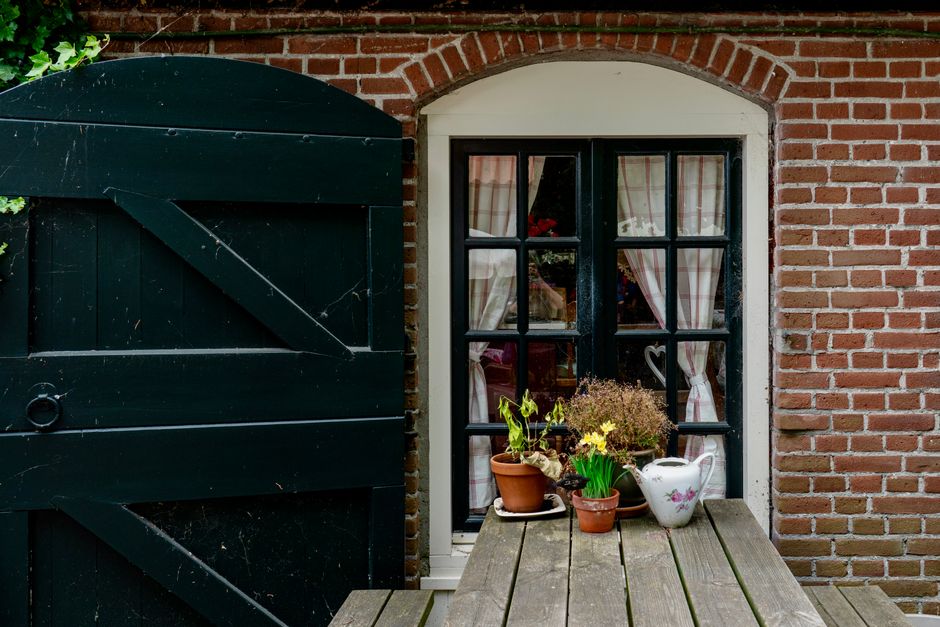
If you are weighing up Price comparison gardeners versus DIY for Swiss Cottage patios, you are probably asking the same sensible question most homeowners ask: what actually costs less once you include time, tools, waste, and the risk of getting it wrong? A patio can look like a simple weekend job from the kitchen window, then suddenly turn into two weeks of sore knees, rented tools, and a finish that is just a bit off. In Swiss Cottage, where outdoor space is often compact and access can be awkward, that choice matters even more.
This guide breaks down the real-world cost differences, when DIY makes sense, when hiring a gardener is the smarter buy, and how to compare options without fooling yourself with headline-only prices. You will also find a practical checklist, a side-by-side comparison, and the kind of detail that helps you make a calm decision rather than a rushed one.
Quick expert summary: DIY can look cheaper on paper, especially for light patio tidying, but a professional gardener often becomes better value once you factor in labour, disposal, equipment hire, quality of finish, and the chance you will need to do it twice. In tighter London settings, that difference can be surprisingly visible.
Why Price comparison gardeners versus DIY for Swiss Cottage patios Matters
Patio work sounds straightforward until you split the job into its real parts. Cleaning slabs, re-pointing joints, lifting weeds, resetting a few loose edges, brushing in kiln-dried sand, moving heavy pots, disposing of green waste, and making sure water drains properly can all sit under the same "patio job" label. That label is deceptive. It hides labour, tools, and the cost of rework.
Swiss Cottage properties often have small but valuable outdoor spaces, sometimes with narrow side access, shared entrances, basement steps, or awkward corners. That means time matters. A job that would be easy in a larger suburban garden can become fiddly fast. And fiddly, let's face it, is where DIY budgets start to wobble.
Price comparison is important because a lower quote is not always the cheaper route, and a DIY plan is not always free just because you already own a brush and a bucket. If you want a patio that looks good, drains well, and lasts, you need to compare the whole job, not just the visible part.
For homeowners comparing patio care with broader outdoor maintenance, it can also help to think in terms of the wider garden schedule. If the patio job sits alongside hedge cutting, clearance, or seasonal tidy-ups, you may find better value by grouping tasks and reviewing garden maintenance support as part of the bigger picture.
How Price comparison gardeners versus DIY for Swiss Cottage patios Works
The comparison works by separating cash cost from true cost. Cash cost is the obvious one: what you pay a gardener, or what you spend on materials and hire for DIY. True cost also includes your time, transport, disposal, risk of mistakes, and whether the result meets your standard the first time.
A professional gardener or landscaping team will usually quote based on factors such as:
- Patio size and access
- Condition of the surface and joints
- Type of paving or stone
- Whether pressure washing, weed removal, re-sanding, or minor repairs are needed
- Waste removal or garden clearance requirements
- How much manual labour is involved
DIY pricing is more fragmented. You might buy a weed killer, patio cleaner, stiff brush, replacement pointing material, and perhaps a pressure washer or patio washer hire. Then there is protective gear, buckets, scrapers, and, in some cases, a skip bag or trip to the tip. People often forget the tip. It is always there, quietly waiting.
A sensible comparison is to map the job into phases:
- Inspect the patio and identify the work needed.
- List all tools, products, and waste handling costs.
- Estimate your own time in hours, not wishful thinking.
- Ask what finish you expect: tidy, refreshed, or near-restored.
- Compare that with a quote from a local gardener or landscaping service.
If you are planning a wider refresh rather than just a clean-up, you may also want to look at landscaping support for jobs that go beyond basic maintenance, especially if the patio needs edging, hardscape adjustments, or better integration with planting.
Key Benefits and Practical Advantages
There are good reasons both approaches still exist. The "best" option depends on what you value most.
Why DIY appeals
- Lower upfront spend on very small jobs
- Flexible timing; you can start on a Saturday morning if the weather is kind
- Full control over products and finish
- Useful if you already own the main equipment
Why hiring a gardener often wins
- Faster completion, especially with limited access
- Cleaner finish and fewer missed patches
- Less physical strain and less mess at home
- Better handling of waste, weeds, and awkward details
- Lower risk of damaging slabs, pointing, or nearby planting
In practice, the strongest benefit of hiring is consistency. A good gardener notices things a rushed DIY job misses: an uneven joint, a loose edge near a step, moss returning because the drainage line is poor, or a build-up of soil where pots have sat too long. Those little details matter more than people expect.
There is also the mental benefit. A patio should feel like a place to sit with coffee, not a project that follows you indoors. To be fair, that counts for something.
Who This Is For and When It Makes Sense
This comparison is most useful if you are in one of the following situations:
- You own a small or medium patio and want the best value for money.
- You are deciding whether to pay for seasonal upkeep or do it yourself.
- You are trying to choose between a one-off refresh and regular maintenance.
- You want to know if paying a gardener is justified for a property sale, tenancy change, or family visit.
- You are physically able to do some work, but not all the lifting and scrubbing.
DIY makes the most sense when the job is light: a bit of sweeping, some spot weeding, rinsing dirt, and maybe brushing joints. It is also reasonable when you enjoy the work and already have the equipment. If you have a small terrace or courtyard and only need a modest tidy, DIY can absolutely be the right answer.
Hiring makes more sense when the patio is heavily weeded, stained, slippery, or cluttered with debris. It is also the better call if the area connects to decking, paths, or landscaped sections and you want a more polished finish. In those cases, it may be worth checking related services such as decking services or garden clearance if the patio is part of a larger outdoor reset.
If you are the kind of person who would rather spend an afternoon enjoying the patio than rescuing it, well, that already tells you something.
Step-by-Step Guidance
Here is a practical way to compare gardeners versus DIY without overcomplicating it.
- Define the outcome. Decide whether you want a basic clean, a weed removal and sweep, a full deep clean, or a repair-led refresh.
- Measure the area. Even a rough square-metre estimate helps you compare labour and materials more accurately.
- Inspect the surface. Check for loose slabs, crumbling mortar, drainage issues, algae, staining, and blocked edges.
- List DIY costs honestly. Include brushes, cleaners, gloves, weed treatment, equipment hire, protective kit, and disposal.
- Estimate your time. Add travel time, setup, breaks, and clean-up. This is where many DIY budgets become fantasy budgets.
- Compare with a professional quote. Ask what is included, what is excluded, and whether waste removal or re-sanding is part of the job.
- Decide on value, not just price. The cheapest option is only a win if it leaves you with the result you wanted.
A good comparison should also separate one-off work from ongoing maintenance. A patio can be kept in decent shape with light care, but if weeds keep returning, a planned maintenance approach may make more sense than repeated emergency DIY sessions. That is where a service like pricing and quotes can help you benchmark what ongoing support might look like.
One practical tip: compare a "good enough for this weekend" version with a "properly sorted for the season" version. People often forget they are comparing different standards. Not great for decision-making, that.
Expert Tips for Better Results
These are the things that usually make the biggest difference in real homes, especially around compact London patios.
- Clean from the top down. If you are removing debris, start with sweeping and clearing before applying water or cleaners.
- Test any cleaning product first. Natural stone, old brick, and concrete slabs can react differently.
- Mind the drainage. If water pools after cleaning, the issue may be slope or blocked channels, not just dirt.
- Work in manageable sections. This keeps the job controlled and avoids streaking or half-dry residue.
- Use the right brush stiffness. Too soft and you waste time; too hard and you can damage the surface or joints.
- Think about nearby planting. Patio runoff can affect borders, so avoid overusing strong chemicals near beds.
Professionals also tend to think about sequencing. For example, if a patio borders a lawn, it can make sense to handle the lawn edge and tidy the surrounding space at the same time. That is why services like lawn mowing or hedge trimming sometimes come into the conversation when someone starts with "it's just the patio." It usually isn't, not really.
A small human tip from the field: if the patio job has been hanging over you for weeks, start with the ugliest corner first. That tiny bit of progress changes everything.
Common Mistakes to Avoid
Most bad patio comparisons happen because people miss one or more hidden costs. A few classic mistakes come up again and again.
- Comparing only materials. Labour, tools, and disposal can rival the product cost.
- Ignoring access. Carrying equipment through a narrow side return or up basement steps takes time.
- Overestimating DIY speed. Jobs nearly always take longer than expected, especially if joints are full of weeds.
- Using harsh cleaning methods. A strong jet washer can lift jointing or damage older surfaces.
- Forgetting prep and aftercare. A patio that is not finished properly often gets dirty again quickly.
- Choosing the cheapest quote without asking what is included. Cheap and clear are not always the same thing.
Another mistake is doing the work in the wrong weather. A damp, overcast morning can be fine for many tasks, but a freezing day or sudden rain shower can affect cleaning, drying, and application products. Sometimes it is better to pause than to push through and create more work.
And yes, we have all told ourselves, "it'll only take an hour." Famous last words.
Tools, Resources and Recommendations
If you choose DIY, the most useful tools are usually simpler than people think:
- Stiff patio brush and dustpan
- Weed scraper or knife
- Bucket, hose, and garden sponge
- Suitable patio cleaner for the surface type
- Gloves, safety glasses, and sturdy footwear
- Optional pressure washer, used carefully
- Jointing sand or repair compound where needed
For a professional comparison, focus on how the job is scoped rather than the brand of tools used. Ask whether the quote covers preparation, cleaning, weed removal, minor repairs, and waste handling. If you want a broader service overview of what can be bundled together, services overview is a useful place to understand the range of outdoor work that may sit alongside patio care.
It can also help to think about safety and reliability, especially if you are letting someone work near the home, shared access points, or a family garden. A company that explains its standards clearly through pages such as health and safety policy and insurance and safety usually gives you a better sense of professionalism before work even starts.
And if your patio job creates a lot of waste, debris, or general clutter, it may be worth thinking about recycling and sustainability as part of the plan rather than as an afterthought.
Law, Compliance, Standards, or Best Practice
For patio work, there is usually less formal regulation than in structural building jobs, but best practice still matters. In the UK, homeowners should be careful with water runoff, waste disposal, and any work that could affect shared access or neighbouring property. If a patio borders a boundary, keep communication sensible and respectful. That alone avoids a surprising amount of friction.
If you use machinery, cleaning chemicals, or ladders as part of the job, follow the manufacturer's instructions and basic safety guidance. This is especially important on slippery paving or when moving around raised edges. Good practice also means using suitable PPE, keeping pets and children clear while work is underway, and avoiding aggressive methods on older surfaces.
For professional work, you should expect clear terms, transparent pricing, and an explanation of what is included. Useful business pages such as terms and conditions, payment and security, and about us help build trust because they show how the company works, not just what it sells.
If you need to query service details later, a clear route to contact us matters too. Nothing dramatic. Just practical, which is what most people actually want.
Options, Methods, or Comparison Table
Here is a straightforward comparison to help you weigh the options.
| Factor | DIY patio work | Gardener / professional help |
|---|---|---|
| Upfront cash | Often lower at first | Higher at the point of booking |
| Hidden costs | Tools, hire, waste, time, repeat effort | Usually built into the quote |
| Finish quality | Depends on skill and patience | Typically more consistent |
| Speed | Usually slower, especially for beginners | Usually faster and more efficient |
| Physical effort | High, especially with scrubbing and lifting | Low for the homeowner |
| Risk of mistakes | Moderate to high if you are unsure | Lower, though not zero |
| Best for | Light cleaning, small tidy-ups, hands-on homeowners | Heavier work, limited time, better finish expectations |
There is also a middle path: do the very light maintenance yourself and bring in help when the patio needs a seasonal reset. That approach often gives the best balance of cost and convenience. It is a bit like brushing your own shoes before going to the cobbler for a proper polish. Small effort, sensible support.
Case Study or Real-World Example
Imagine a Swiss Cottage terrace with a compact paved patio behind the kitchen. The surface is not broken, but there are weeds in the joints, a dull film on the slabs, some moss near the shaded edge, and a few planters have left circular marks on the stone.
The homeowner first considers DIY. The list is simple enough on paper: patio cleaner, weed tool, brush, gloves, hose, and maybe a pressure washer hire. But then the detail starts creeping in. The patio is tight to access. The plants need moving. Waste needs bagging. The day is already half gone by the time the cleaning starts, and the old staining is not shifting as hoped. The finish is better than before, but not really the fresh, even look they wanted.
Now compare that with a gardener. The work is scoped properly, the surface is assessed before cleaning begins, and the job is completed in one visit with the right sequence: clear, treat, clean, tidy, and check the edges. The result may cost more upfront, yes. But if the homeowner values time, a cleaner finish, and less disruption, the value starts to make sense very quickly.
A real-world decision often comes down to this: do you want a workable patio, or a polished one? Both are legitimate. Just don't pretend they cost the same. They don't.
Practical Checklist
Use this checklist before you decide between DIY and hiring a gardener.
- Have I measured the patio roughly?
- Do I know what condition the joints and slabs are in?
- Have I included tools, cleaning products, and waste costs?
- Do I know how long the DIY version will realistically take?
- Would I be happy if the finish is only "good enough" rather than excellent?
- Do I have the physical energy for scrubbing, lifting, or carrying?
- Will the work affect nearby planting, decking, or lawn edges?
- Do I need the area ready by a certain date?
- Would a quote from a professional actually save me time and repeat effort?
- Am I comparing like for like, or just looking at the headline price?
If most of your answers point to time pressure, awkward access, or uncertainty about the finish, hiring starts to look less like a luxury and more like a practical decision.
Get a free quote today and see how much you can save.
Conclusion
For Swiss Cottage patios, the choice between gardeners and DIY is rarely about pride. It is about value. DIY can be the cheaper option for light, manageable work, especially if you already own the tools and enjoy doing it. But once the job becomes messy, physically demanding, or time-sensitive, a professional gardener often delivers better value in the real sense of the word: less stress, less repetition, and a better end result.
So compare carefully. Count everything. Include your time, the hidden bits, and the quality you actually want. If you do that honestly, the right choice usually becomes clearer than you expected.
And if you are still on the fence, that is fine too. Some jobs are worth sitting with for a day before deciding. The patio will still be there tomorrow morning, probably looking exactly the same.
Frequently Asked Questions
Is DIY patio cleaning really cheaper than hiring a gardener?
Sometimes, yes, especially for very small and simple jobs. But once you include equipment, cleaning products, waste handling, and your own time, the gap often narrows. For more stubborn work, professional help can be better value overall.
What hidden costs should I include in a patio DIY comparison?
Include brushes, patio cleaner, weed tools, gloves, possible equipment hire, fuel or travel, waste disposal, and the time needed to move furniture or pots. A lot of people forget disposal and then the budget gets a bit silly.
When does it make more sense to hire a gardener for a patio?
Hiring tends to make sense when the patio is heavily weeded, stained, slippery, awkward to access, or part of a larger garden tidy-up. It also makes sense if you want a better finish without spending your own weekend on it.
Can a gardener also handle the surrounding garden as part of the same visit?
Yes, often that is where the best value appears. If the patio is linked to lawns, hedges, borders, or general overgrowth, combining jobs can be more efficient than dealing with each separately.
Do I need specialist equipment for DIY patio work?
Not always. For light maintenance, a stiff brush, scraper, and suitable cleaner may be enough. For deeper cleaning or more stubborn dirt, people sometimes hire a pressure washer, but it should be used carefully to avoid damage.
How do I know if a gardener's quote is fair?
Ask exactly what the quote includes: preparation, cleaning, re-sanding, minor repairs, and waste removal. A fair quote is usually clear, specific, and matched to the actual condition of the patio rather than a guess.
Is pressure washing always a good idea for patios?
No, not always. It can be effective, but it may damage softer materials, loosen joints, or push dirt deeper if used badly. The right method depends on the paving type and condition.
What if my patio has loose slabs or damaged joints?
That is usually a sign the job goes beyond simple cleaning. In that situation, professional assessment is sensible because the area may need repair work before or alongside cleaning.
How often should a patio be maintained in a London garden?
It depends on shade, drainage, and usage, but regular sweeping and seasonal checks help a lot. In damp or shaded spots, moss and weeds tend to return more quickly, so light ongoing care is better than waiting for a major clean-up.
Is it worth paying more for a professional finish on a small patio?
Often, yes, if the patio is visible from the house or used frequently. A small space can look disproportionately better with a tidy, even finish, and that can change how the whole garden feels.
Can I mix DIY with professional help to save money?
Absolutely. Many homeowners do the sweeping, light weeding, and furniture moving themselves, then bring in a gardener for the heavier clean or repairs. That hybrid approach can be a very smart compromise.
What should I ask before booking garden help for my patio?
Ask what is included, how long it is likely to take, whether waste is removed, what products are used, and whether any follow-up maintenance is recommended. A few clear questions early on can save a lot of confusion later.