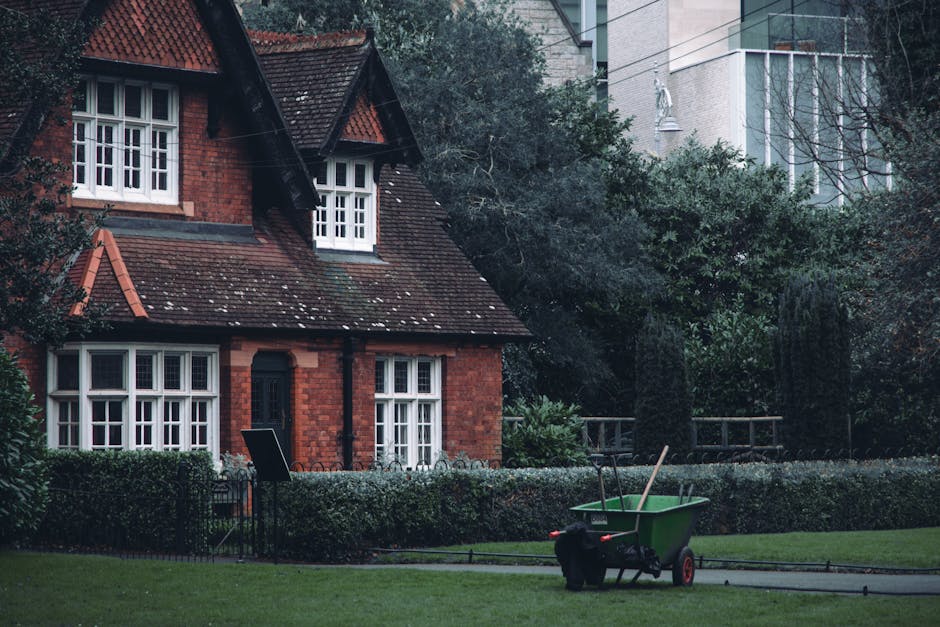
Swiss Cottage Camden Council garden waste rules explained
If you live in Swiss Cottage and garden waste has started piling up after a weekend tidy-up, you are probably looking for one simple thing: a clear explanation of what Camden Council expects, what you can put out, and what happens if you get it wrong. This guide gives you exactly that. We'll walk through Swiss Cottage Camden Council garden waste rules explained in plain English, with practical advice for households, landlords, tenants, and anyone who is trying to clear a hedge, mow a lawn, or deal with a surprisingly large pile of cuttings after a sunny spell.
To be fair, most garden waste questions are not really about gardening at all. They are about timing, sorting, storage, and avoiding those annoying little mistakes that lead to a missed collection or extra hassle. You'll find all of that covered here, plus useful next steps if you want a broader waste solution. If you also need help with other household or outdoor rubbish, it can be worth looking at related services such as house clearance support, builders waste removal, or same-day rubbish removal for quicker turnaround when the pile is growing faster than your patience.
We'll keep this local and practical. No fluff. No vague council-speak. Just the sort of guidance that helps you know what to do on a damp Tuesday morning when the bins are already full and the rose clippings are taking over the patio.
Table of Contents
- Why Swiss Cottage Camden Council garden waste rules explained Matters
- How Swiss Cottage Camden Council garden waste rules explained Works
- Key Benefits and Practical Advantages
- Who This Is For and When It Makes Sense
- Step-by-Step Guidance
- Expert Tips for Better Results
- Common Mistakes to Avoid
- Tools, Resources and Recommendations
- Law, Compliance, Standards, or Best Practice
- Options, Methods, or Comparison Table
- Case Study or Real-World Example
- Practical Checklist
- Conclusion
- Frequently Asked Questions
Why Swiss Cottage Camden Council garden waste rules explained Matters
Garden waste sounds simple until you are actually standing there with sacks of grass cuttings, bramble trimmings, leaves, and a few stubborn branches that won't fit anywhere neat. In a place like Swiss Cottage, where outdoor space can be limited and storage even more so, getting the rules right matters more than people expect.
Garden waste rules matter for three reasons. First, they help keep collections predictable. Second, they reduce the risk of contamination, which can lead to a rejected load or a missed pickup. Third, they stop you from accidentally treating garden waste like general rubbish. That last one is a common mistake, especially after a heavy pruning session when everything looks the same at a glance.
The local context matters too. In Camden, residents often have smaller front gardens, shared access, communal bins, or limited kerb space. That means a tidy heap of hedge clippings on your driveway may be perfectly manageable for you, but awkward for collection if it isn't presented correctly. If you are dealing with a larger clear-out, it can also help to know whether a garden waste removal service or an all-in-one waste clearance service might save time and reduce the number of trips you make to the tip.
And here's the practical truth: the rules are not there to make your life difficult. They are there so that waste can be handled safely, efficiently, and in a way that fits the council's collection system. Once you understand the basics, it becomes much easier. Really, it does.
Quick takeaway: Treat garden waste as its own stream, keep it clean and easy to collect, and check any local collection instructions before you put it out. Most problems start with mixing waste types or presenting it in the wrong way.
How Swiss Cottage Camden Council garden waste rules explained Works
At a practical level, garden waste collection works like this: you separate suitable organic garden material from household rubbish, food waste, rubble, and other non-garden items, then present it in the format allowed by the collection system you are using. The exact setup can vary depending on whether you are using a council service, arranging private collection, or managing a bigger tidy-up yourself.
Most councils in London apply a similar basic logic. Clean green waste is generally acceptable, while anything contaminated, bulky, or mixed with non-garden material is not. That means grass cuttings are fine, but plant pots are not. Hedge trimmings are usually fine, but soil-filled sacks, stones, broken fence panels, and old compost bags may be treated differently.
Swiss Cottage residents often have to think about storage and access as much as disposal. If your bags need to sit outside overnight, they should be secure and not likely to blow open in a gust. London weather has a habit of changing its mind, which is mildly annoying but very real. Damp cardboard, loose leaves, and food scraps mixed in with garden waste can quickly turn a tidy pile into a messy one.
In our experience, the best approach is to sort as you go. One container for green waste, one for anything else. It sounds obvious. Then the pruning starts, and suddenly there are cuttings on the path, a broken planter in one hand, and an old rake you forgot you owned. Happens all the time.
What usually counts as garden waste
- Grass cuttings
- Leaves
- Small branches and twigs
- Weeds and dead plants
- Hedge clippings
- Flowers and plant material
What usually does not count
- Soil, rubble, bricks, and stones
- Plastic plant pots and trays
- General household rubbish
- Food waste
- Pressure-treated timber, fencing, or decking
- Large amounts of logs or tree trunks unless specifically accepted
If you are not sure what is acceptable, treat the item cautiously and check before putting it out. That small pause can save a collection problem later on.
Key Benefits and Practical Advantages
Getting garden waste rules right is not just about compliance. It saves time, makes your outdoor space easier to manage, and helps avoid the domino effect of one small mistake leading to a bigger clean-up later.
Here are the main benefits, in straightforward terms:
- Cleaner collections: Waste is more likely to be taken without issue if it is sorted properly.
- Less stress: You know what goes where, so you are not second-guessing every bag.
- Better kerb appeal: Useful if you are a tenant, landlord, or preparing a property for sale or let.
- Fewer extra charges: For private collections, correct sorting can reduce the risk of surcharges for contamination.
- Safer handling: Loose sharps, hidden rubble, or heavy soil can cause avoidable accidents.
There is also a quieter benefit that people forget: routine. Once your garden waste system is simple, you tend to keep on top of the garden more easily. A weekly bag of cuttings is much less stressful than a month-long build-up. A tidy shed, a couple of strong sacks, and a clear disposal plan can make a surprising difference. Small thing, big impact.
If you often end up with mixed waste after bigger outdoor jobs, a broader service such as furniture removal or man and van waste removal may help when garden waste is only part of the job. That is particularly useful after garden furniture changes, shed clear-outs, or seasonal refreshes.
Who This Is For and When It Makes Sense
This guidance is useful for a wide range of people in Swiss Cottage and the wider Camden area. Garden waste does not only affect large homes with long borders and mature trees. In London, it often comes from small spaces, shared courtyards, rooftop planters, and compact front gardens that still generate more green waste than expected.
You may need this if you are:
- a homeowner dealing with seasonal pruning
- a tenant wanting to leave a property neat at the end of a tenancy
- a landlord arranging outdoor maintenance between lets
- a gardener working on a residential property
- someone clearing an overgrown patch after a long spell away
- a resident who simply wants to avoid putting the wrong things in the bin
It also makes sense if you are planning a bigger clear-up. Once the pile goes beyond a few bags, collection logistics start to matter. Can you store it safely? Do you have the right bags? Is there soil mixed into the cuttings? Would a one-off collection be more practical than trying to fit everything into standard bins? These are the sorts of decisions that save you time later.
And if you are unsure whether you need a local collection or a more flexible service, it can help to compare your options against broader waste support like office clearance or even commercial waste removal if the work involves a business property, managed block, or shared premises. The right route depends on the type and volume of waste, not just the postcode.
Step-by-Step Guidance
If you want the simplest possible approach, follow this sequence. It is basic, yes, but basic is often what works.
- Sort the waste at the source. Separate green waste from everything else. Do not wait until the end, because mixed piles become awkward fast.
- Remove contamination. Take out plastic ties, plant pots, string, stones, and any household rubbish that has wandered into the pile.
- Reduce volume where practical. Cut long branches down to a manageable size. Break down loose material so it sits neatly and safely.
- Use suitable bags or containers. Strong sacks or the collection method specified by the service are usually best. Overfilled bags are a nuisance for everyone.
- Keep access clear. Make sure the waste can be reached safely without blocking pavements, entrances, or shared paths.
- Check timing. Put the waste out only according to the collection schedule or arranged pickup time. Leaving it out too early can create clutter or complaints.
- Inspect once more. A quick final look catches hidden mistakes, like a broken pot or an old glove buried in the leaves.
That final check sounds minor, but it is the one that saves you from the classic "why wasn't this taken?" moment. Truth be told, that moment is usually caused by one small item, not the whole pile.
If you are dealing with a time-sensitive clear-out, for instance before a move or after a landscaping visit, a service page such as house clearance in London can be useful for understanding how mixed waste jobs are usually handled. It is not always about one bin category; sometimes it is about getting the full job done properly.
Expert Tips for Better Results
People often assume the trick is just "put it in the bag and leave it out." Not quite. The better results come from how you manage the waste before collection day.
Keep green waste clean and separate
Even a small amount of contamination can complicate things. Soil, rubble, and plastic often slip in unnoticed, especially when you are clearing beds after rain and everything is a bit muddy. If the waste is visibly mixed, the safest assumption is that it may not be treated as garden waste.
Use the right size containers
Very large bags may seem efficient, but they can become too heavy or awkward to move. Smaller, manageable sacks are often easier to lift, stack, and present neatly. Little detail, big difference.
Plan for weather
Camden weather can turn a clean pile into a soggy one overnight. Wet cuttings are heavier and messier. If a collection is due soon, keep waste sheltered where possible and avoid leaving it exposed longer than needed.
Think about neighbours and shared spaces
Swiss Cottage includes streets and buildings where access is shared. A neat, tidy presentation is more than courtesy; it helps avoid complaints and keeps pathways usable. Nobody enjoys stepping around an untidy pile on their way out with coffee in hand.
Separate bulky organic material early
If you have thicker branches, roots, or woody stems, deal with them separately rather than burying them under lighter cuttings. That makes it easier to judge whether they are suitable for the collection route you plan to use.
A quick local observation: the best outdoor clear-ups are usually the boring ones. Not glamorous, just organised. Gloves on, bags ready, sweep once, sweep twice, done. Lovely.
Common Mistakes to Avoid
Most garden waste issues are preventable. The mistakes are usually small, but they create all the trouble.
- Mixing garden waste with general rubbish: Food packaging, broken tools, and household waste should not end up in the same pile.
- Including soil and rubble without checking: These materials are often treated differently and may need a separate disposal route.
- Overfilling bags: If a bag bursts, it slows everything down and can make collection awkward.
- Leaving waste out too early: This can create a mess, block access, or lead to complaints in shared areas.
- Assuming all green material is accepted the same way: Not always. Woody waste, turf, and mixed loads may be handled differently.
- Forgetting hidden contaminants: Twine, tags, broken plant supports, and old compost packaging are easy to miss.
One slightly silly but very real mistake is the "one last armful" problem. You have sorted everything, then you spot a broken plant tray or a bag of old compost, and in it goes because you are nearly finished. That one armful can be the bit that causes the issue. Annoying, yes, but avoidable.
If you often get caught out by mixed waste, a more general service overview like rubbish removal in London may help you decide when garden waste can be handled separately and when it is better to clear everything in one go.
Tools, Resources and Recommendations
You do not need a shed full of specialist kit to handle garden waste properly. A few sensible tools make the job easier and reduce the chance of a messy collection.
- Heavy-duty garden sacks: Better than flimsy bags that split when wet or overfilled.
- Gloves: Especially useful when dealing with thorny cuttings, nettles, or damp material.
- Pruners and loppers: Helpful for reducing branch size so waste stacks neatly.
- Sweeping brush or rake: Good for collecting loose leaves and small debris from paths.
- Wheelbarrow or garden trolley: A real back-saver if the pile is spread across the garden.
- Tarpaulin or sheet: Useful for keeping material together while you sort it.
On the information side, the best resource is always the current local guidance from the relevant council or the collection provider you are using. Rules can change, collection formats can change, and what was accepted last year may not be the same now. That is why a quick check is worth the minute it takes.
If you are organising larger ongoing clearances, it can also help to understand the difference between regular collections and one-off support. For example, a house clearance service is often better suited to mixed waste, while a targeted garden waste removal option is more efficient when the load is mainly green material. Simple distinction, but important.
Law, Compliance, Standards, or Best Practice
Where waste is concerned, it pays to stay cautious and sensible. You do not need to become a legal expert, but you should understand the basic responsibilities that come with disposing of waste correctly.
In the UK, households and property managers are generally expected to dispose of waste in line with local collection rules and avoid placing inappropriate material in streams meant for specific waste types. For garden waste, the practical best practice is to keep organic material separate from general rubbish and to follow the presentation rules set by the service you are using.
Some points are worth keeping in mind:
- Do not assume all organic-looking waste is acceptable. Treated wood, timber offcuts, and contaminated material may need a different route.
- Do not block pavements or access routes. This matters especially in shared streets and narrow frontages.
- Do not place hazardous items in garden waste. Sharps, chemicals, paints, and similar items belong in the correct hazardous or specialist stream.
- Check local instructions regularly. Council processes and collection formats can change over time.
Best practice is also about being neighbourly. If you are in a terrace, block, or converted property, a neat, tidy setup reduces friction. Nobody wants a shared entrance cluttered with bags that have been sitting there for three days. Not ideal, to put it mildly.
If your project includes waste from works rather than routine gardening, consider whether a more suitable route is needed. For mixed waste, services such as builders waste removal can be more appropriate than a garden-only approach. The right disposal method depends on the material, not just the location.
Options, Methods, or Comparison Table
There is more than one way to deal with garden waste in Swiss Cottage. The best choice depends on volume, timing, and what the waste actually contains.
| Option | Best for | Pros | Things to watch |
|---|---|---|---|
| Council garden waste collection | Routine green waste, regular maintenance | Simple, familiar, usually convenient for eligible households | Must follow local rules on materials, presentation, and timing |
| Private garden waste removal | Bigger clear-ups, busy schedules, mixed garden debris | More flexible, can handle larger loads and faster turnaround | Check what is included and whether contamination affects price or collection |
| DIY trips to a reuse or waste facility | Smaller loads, people with transport and time | Can work well for organised households | Time-consuming, parking and carrying can be awkward in London |
| Mixed rubbish clearance | Garden waste plus household, shed, or outdoor items | Useful when the job is broader than one waste stream | May need a different service category than garden waste alone |
As a rule of thumb, if your pile is mainly leaves, trimmings, and cuttings, a garden waste route makes sense. If it includes broken furniture, soil bags, old tools, or fencing, you are probably in mixed-waste territory. That distinction matters more than people think.
Case Study or Real-World Example
Imagine a small rear garden near Swiss Cottage, with a couple of raised beds, a hedge along the back fence, and a few pots that have been sitting through winter. By early spring, there is a classic London mix: grass cuttings from the first mow, a pile of leaves trapped under the fence, old plant labels, some brittle stems, and two cracked pots no one remembers dropping.
The first pass is easy. The cuttings and leaves go into green waste sacks. The plant labels and cracked pots are pulled out. Then comes the surprise bit: underneath one bed, there is a small amount of soil and a bit of broken edging. Not much, but enough to make the pile unsuitable if everything is bundled together. At that point, the sensible move is to separate the waste streams rather than forcing it into one collection.
What made the difference was not effort. It was sorting early. The homeowner avoided a rejected load, kept the path clear, and got the garden back to a tidy state without having to re-bag everything. A small win, but a useful one. And frankly, those are the best kind.
If the same job had also included clearing an old shed or dismantling garden storage, it would have been more practical to look at broader help such as shed removal or a general waste clearance option. One job, one waste route. That's usually the cleanest way to do it.
Practical Checklist
Use this checklist before you put garden waste out or book a collection.
- Have I separated garden waste from household rubbish?
- Have I removed plastic, string, labels, pots, and broken containers?
- Have I checked whether soil, rubble, or timber are accepted in the same way?
- Are the bags or containers strong enough and not overfilled?
- Is the waste easy to access without blocking paths or neighbours' entrances?
- Have I checked timing and presentation rules for the collection?
- Have I reduced bulky branches where practical?
- Is the load clean enough to count as garden waste rather than mixed rubbish?
- Do I need a different service because the job is larger than expected?
- Have I done one final check before leaving it out?
If you can tick most of those off, you are in good shape. If not, pause and sort it now. It saves trouble later. Every time.
Get a free quote today and see how much you can save.
Conclusion
Swiss Cottage Camden Council garden waste rules do not need to be complicated. Once you understand the basics, the whole process becomes much easier: keep green waste separate, avoid contamination, present it properly, and choose the right disposal route for the size of the job. That is the heart of it.
For most residents, the real win is not just compliance. It is peace of mind. You know the waste is sorted, the collection is less likely to be rejected, and your garden can get back to being usable rather than a staging area for half-finished bags and cuttings. Which, let's face it, is far more pleasant.
So if you are tackling a small seasonal tidy-up or a bigger garden overhaul, take the simple route: sort early, check the rules, and use the right service for the waste you actually have. It makes the work lighter, cleaner, and a lot less annoying. And that, on a grey London afternoon, counts for quite a lot.
Frequently Asked Questions
What counts as garden waste in Swiss Cottage?
Usually, garden waste includes things like grass cuttings, hedge trimmings, leaves, weeds, flowers, and small plant material. It is best to keep it clean and separate from household rubbish, soil, rubble, and plastic items.
Can I put soil in garden waste?
Not always. Soil is often treated differently from green waste and may need a separate disposal route. If your load contains a lot of soil, check the local rules or ask the collector before putting it out.
Are plant pots allowed with garden waste?
Usually not. Plastic pots, trays, and broken containers are generally not counted as garden waste. They should be separated out and disposed of using the appropriate recycling or rubbish route.
What happens if my garden waste is mixed with general rubbish?
It may be rejected, left behind, or treated as mixed waste instead of green waste. That can create delays or extra costs, especially with private collections.
Do I need to bag garden waste before collection?
That depends on the service you are using. Many collection systems require waste to be presented in a specific way, often using sacks or containers. Always follow the local guidance for your chosen collection method.
Can branches and hedge cuttings go in the same collection?
Often yes, but they should be cut to a manageable size and kept within any limits set by the service. Large woody material may be treated differently from lighter green cuttings.
Is council garden waste collection better than private removal?
It depends on your situation. Council collection can be practical for routine garden maintenance, while private removal may suit larger or more urgent clear-outs. If the load includes mixed waste, a private service can sometimes be more flexible.
How can I avoid a rejected garden waste collection?
Sort waste carefully, remove contamination, avoid overfilling bags, and check the local collection instructions before putting anything out. A quick final inspection usually catches the small things that cause problems.
What if I have garden waste plus old furniture or shed items?
That is no longer just garden waste. You may need a broader clearance service that can handle mixed items, such as furniture, timber, or shed materials. A combined approach is often more efficient.
Is it okay to leave garden waste on the pavement overnight?
Usually this is not ideal unless the collection guidance specifically allows it. It can block access, create complaints, or get in the way of pedestrians. Keep it tidy and follow the timing rules closely.
Do I need a special service for a one-off garden clear-up?
If the waste is more than a small regular amount, a one-off garden waste removal service can be worth considering. It is especially useful if you are dealing with seasonal overgrowth, a move, or a full outdoor reset.
What is the safest way to sort garden waste quickly?
Work in layers: remove obvious non-garden items first, group green waste together, and deal with soil, plastic, and timber separately. A tarpaulin, gloves, and a couple of strong bags make the job much easier. Small system, less mess.